Background
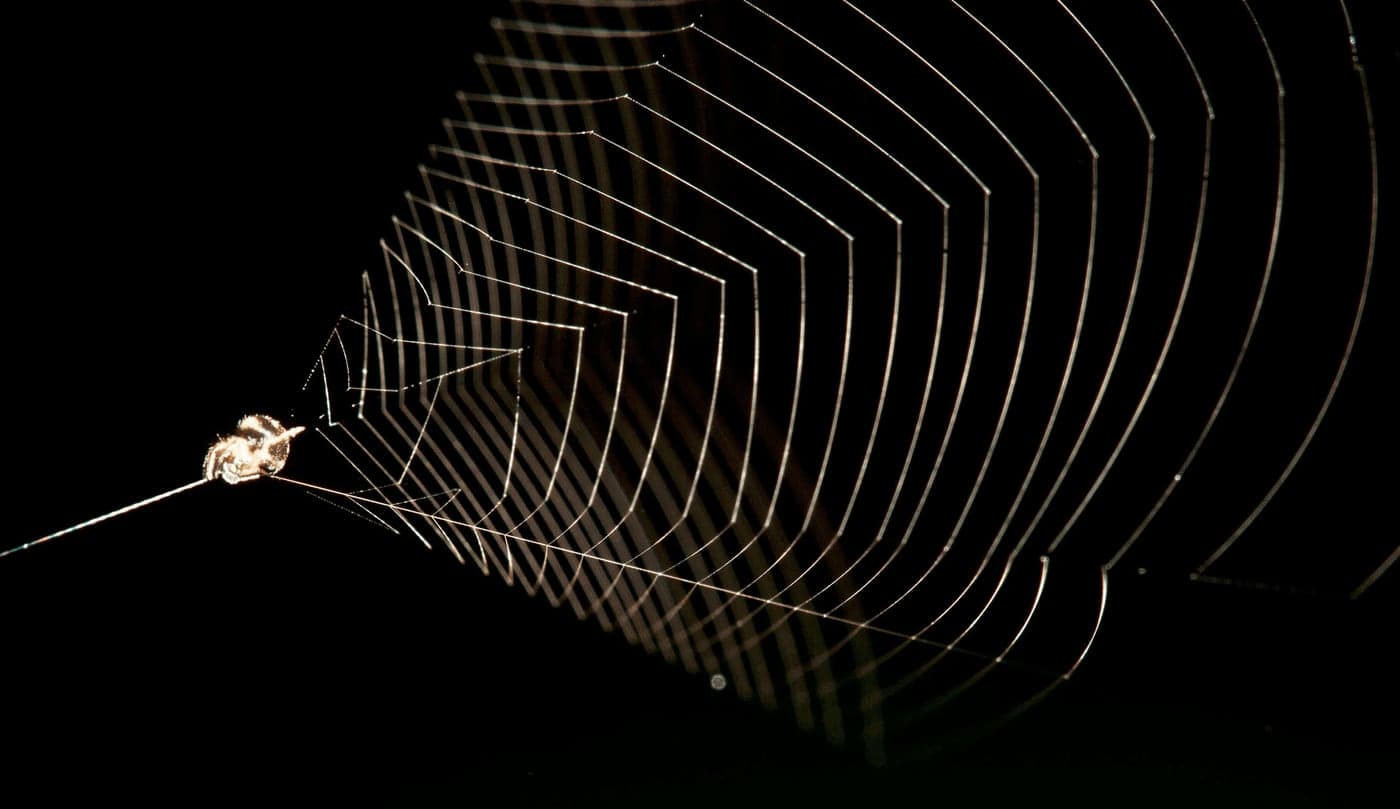
Slingshot spiders (Theridiosomatidae) have a unique ability to tension their webs and catapult themselves in order to catch fast-moving prey. In doing so, they reach accelerations upwards of 130 Gs!
The target for this project is to replicate this ability using a number of small release mechanisms at different angles, and simulating their catapulting and trajectory-changing capabilities.
Process
The first iteration for the release mechanism focused on functionality rather than compactness. It utilized a one-way bearing to allow a string to wind around a rotating shaft. Then a lever arm would retain tension until it moved downwards and released.
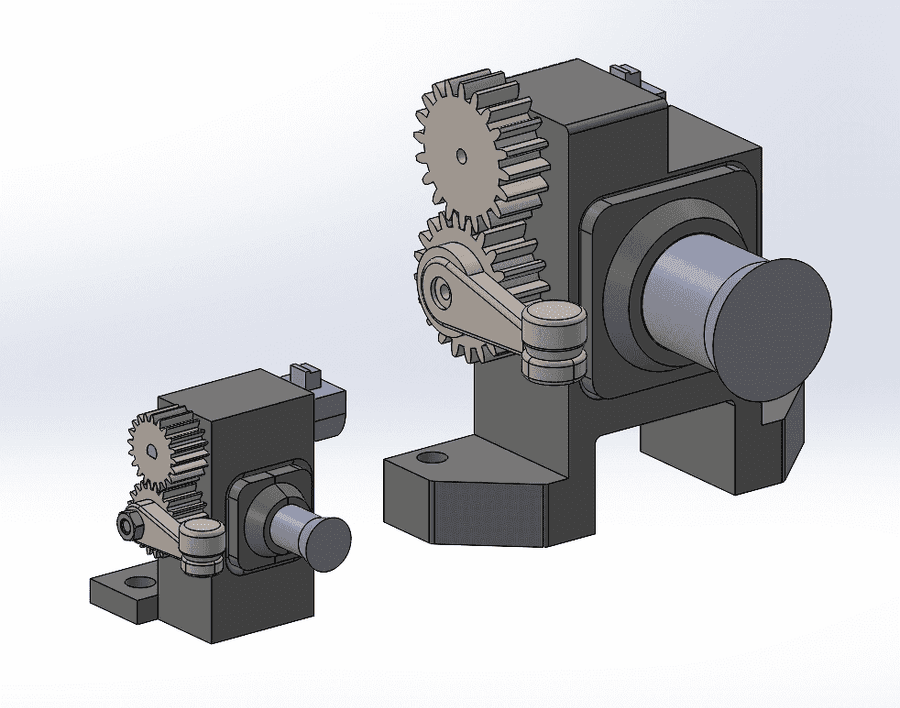
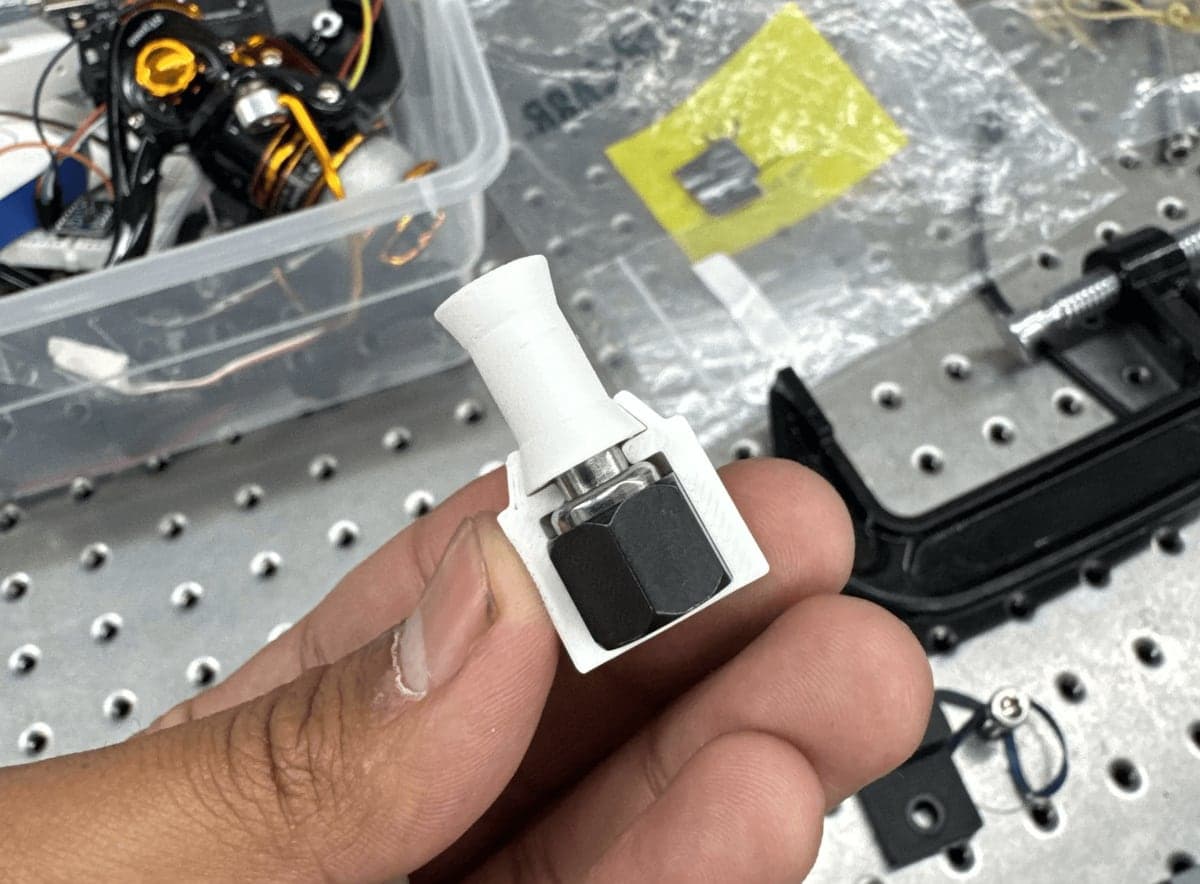
The first iteration was not small enough for our use case, so I redesigned the assembly to be more compact. Using a smaller one-way bearing, I turned to a metal shaft to keep a 3D printed one from deforming, letting the shaft rotate freely.
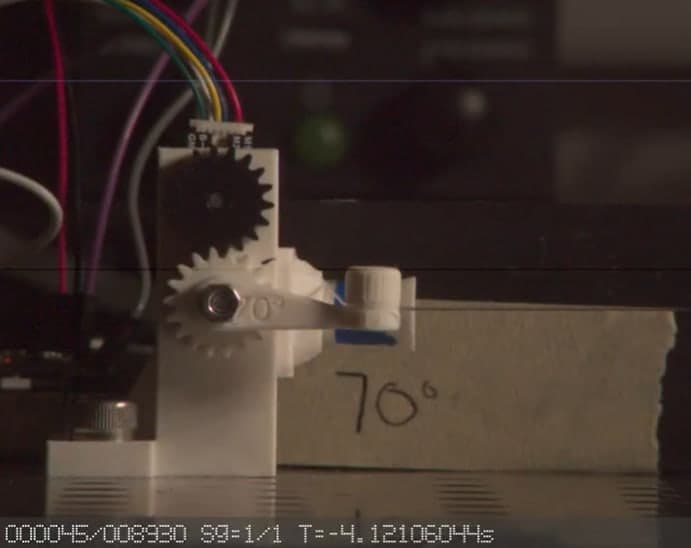
Currently, I am helping record high-speed footage to characterize the lever arm release and diagnose issues with angle consistency and release timing.
At this point the design is 27.7% the volume of the original version and releases within 1 degree. There are still improvements to make on release timing and angular consistency that I will keep working on.